The food delivery landscape in India has undergone a massive transformation. With the rise of quick commerce and specialized food delivery apps, the barrier to entry for culinary entrepreneurs has completely vanished. You no longer need to rent expensive commercial real estate or hire a large waitstaff to build a profitable food business. Learning how to start a cloud kitchen from home in India is currently one of the most lucrative ways to monetize your cooking skills.
Operating a home-based cloud kitchen (often called a ghost kitchen or dark kitchen) allows you to operate an asset-light model with extremely high profit margins. The entire setup can launch with minimal capital, consistently ranking among the most profitable business ideas in India under ₹1 lakh. Whether you want to sell healthy salads, premium regional thalis, or late-night dessert cravings, this guide breaks down the exact blueprint, FSSAI regulations, and aggregator onboarding steps for 2026.
Step 1: Mandatory Legal Requirements and Licenses
Because you are dealing with consumable food, strict compliance is non-negotiable even if you are cooking from your own residential kitchen. Before fulfilling a single order, you must secure the following:
1. FSSAI Registration (FoSCoS Portal)
The Food Safety and Standards Authority of India (FSSAI) license is the absolute hardest requirement. Swiggy and Zomato will instantly reject your application without a valid 14-digit FSSAI number.
- Basic Registration: Ideal for home chefs and micro-kitchens with an expected annual turnover of up to ₹12 lakhs. You can apply easily via the online FoSCoS portal by uploading your Aadhaar card, a passport photo, and a basic hygiene protocol declaration.
- State License: If your monthly sales scale and cross ₹1 lakh (putting you over the ₹12 lakh annual limit), you must upgrade to a state license, which may require a physical kitchen inspection.
2. GST Registration and PAN
While small businesses earning under ₹20 lakhs do not legally require GST, food delivery aggregators like Zomato and Swiggy mandate GST registration and a PAN card for taxation and vendor onboarding protocols under the e-commerce operator rules.
3. Local Trade License & No Objection Certificate (NOC)
While operating from home, some local municipal bodies strongly advise getting a basic trade license or shop & establishment certificate to classify your home kitchen formally. Furthermore, if you live in a strict residential society, you must obtain a simple NOC from your landlord or RWA (Resident Welfare Association) stating they have no issues with you operating a delivery-only home kitchen.
Step 2: Securing Equipment and Standardizing Your Menu
A home cloud kitchen does not mean serving whatever you cook for dinner. It requires commercial consistency. You need a razor-sharp, hyper-focused menu. Do not offer 50 items; offer 5-10 items that you can execute perfectly and quickly.
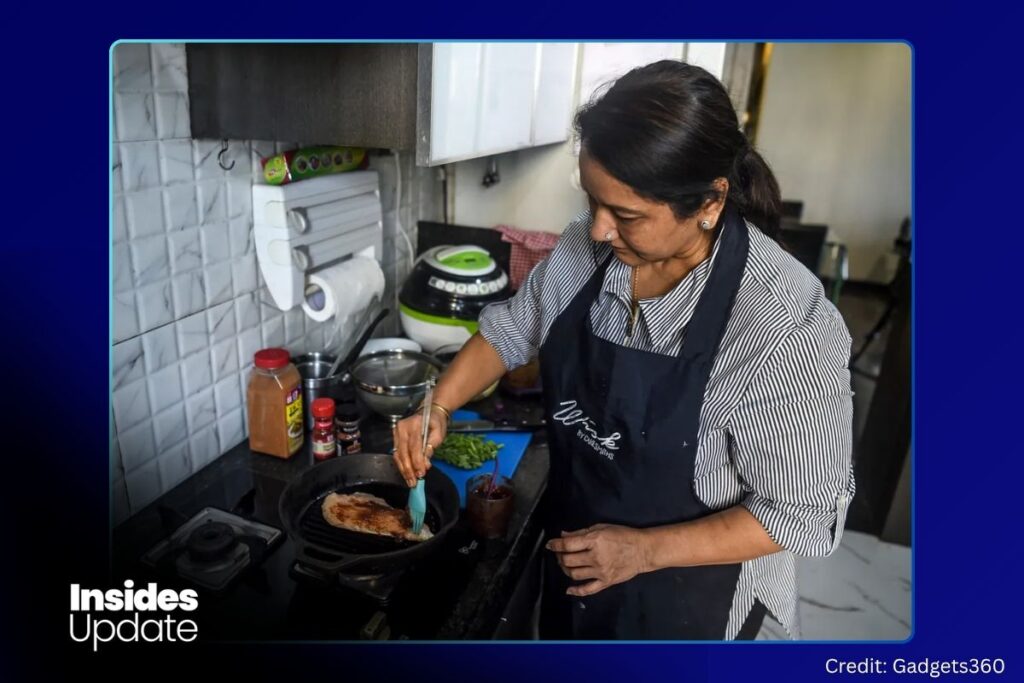
- Commercial Utensils: Invest in large-capacity pressure cookers, heavy-bottomed pans, and standardized measuring cups so your dish tastes the exact same every single time.
- Dedicated Storage: FSSAI guidelines demand that raw and cooked foods be stored separately. Dedicate a specific, clean area of your refrigerator solely for business inventory.
- Packaging Station: Dedicate a clean table equipped with leak-proof containers, branded stickers, a heat sealer, and food-grade tape. Packaging is your only physical touchpoint with the customer.
- POS & Tech Stack: Even a home kitchen needs to be tracked. Use an affordable cloud POS system (like Petpooja or Posist) or simply leverage WhatsApp Business to manage inventory, track daily profitability margins, and directly auto-accept multi-platform aggregator orders.
Step 3: Swiggy and Zomato Onboarding for Home Chefs
Major food delivery platforms will instantly catalyze your sales. The heavily digitized 2026 onboarding process strictly enforces compliance.
- Prepare Your Assets: Create a digital menu with precise pricing. Hire a local photographer or use a high-end smartphone to take mouth-watering, brilliantly lit photos of your top dishes. Listings with high-quality photos convert 60% better.
- Submit Documents: Visit the ‘Zomato for Business’ or ‘Swiggy Partner’ portal. Upload your FSSAI certificate, GST details, PAN card, and a cancelled check for your bank account payouts.
- Commission and Pricing Strategy: Aggregators generally charge a 20% to 28% commission per order, depending on your location and visibility package. You must price your menu, factoring in this heavy commission, along with your raw material costs, to stay profitable.
Step 4: The Budget Breakdown (Starting Under ₹50,000)
You can launch a highly functional cloud kitchen from your home for less than ₹50,000. Here is a realistic deployment of capital:
- FSSAI & Legal Fees: ₹1,500 – ₹3,000
- Initial Raw Materials & Groceries: ₹10,000
- Premium Eco-Friendly Packaging (Bulk): ₹15,000
- Basic Commercial Utensils & Sealing Machine: ₹10,000
- Local Marketing & High-Resolution Food Photography: ₹10,000
Step 5: Marketing & Scaling Beyond Aggregators
While Swiggy and Zomato provide algorithmic demand, you shouldn’t rely on them entirely due to high commission rates (which can eat up to 28% of your margin). Build an independent brand via Instagram to drive direct orders.
Post behind-the-scenes Reels of your pristine cooking environment, the fresh ingredients you source, and the packing process. Create a WhatsApp Business catalog and offer a localized subscription model (Tiffin service) for office workers and students within a 5km radius. As you scale beyond 50-100 orders a day in 2026, you can transition from your home into a Kitchen-as-a-Service (KaaS) aggregator space, drastically expanding your delivery radius without buying commercial real estate.
The Execution Mandate
Starting a cloud kitchen from home is the ultimate low-risk, high-reward business. The secret to surviving the first 6 months is hyper-consistency. Ensure every order leaves your house hot, safely sealed, and exactly as promised. Once you establish a base of 20 loyal daily customers in your neighborhood, word-of-mouth will naturally help your cloud kitchen grow.
